
Using Your “Indoor Voice”
Or, Yes, You CAN Take Your Kids to Museums, Historic Homes, Cathedrals, and Other Places That Do Not Feature Water Slides or Claw Machines

There have been a rash of articles lately decrying the death of the attention span. Students can’t read an entire book anymore! Film majors–film majors–can’t make it through a full-length movie without losing interest! We are all two clicks away from–ooh, was that a video of a squirrel eating a donut?
Sorry.
It may be true that kids today are losing the ability to sustain their focus, at least compared to our forebears, who, I don’t know, used to enjoy chasing a hoop with a stick for hours on end (sure beats carding wool?), but I’m not willing to throw in the towel on an entire generation and just teach Tik Tok videos in my tenth grade English class. And I’m not about to plan a road trip to a locale with world-class museums, architectural marvels, and well-preserved historic homes only to shrug and take my kids to check out the local Dave & Buster’s in order to see how different it is from our Dave & Buster’s. Sure, a coaster-filled theme park can be great for family thrills, and for those of you who like swaying suspension bridges, those can be a hoot, but there is no reason to write off more, uh, sedate cultural treasures just because you’re worried your kids will act like Homer Simpson on his way to the Springfield Knowledgeum.

Indeed, you can take kids–even very small ones–to art museums, historic homes, notable houses of worship, botanic gardens, and more. It takes some planning, but I assure you, it can be done, and it’s even possible for your kids to enjoy visits to “indoor voice” places.
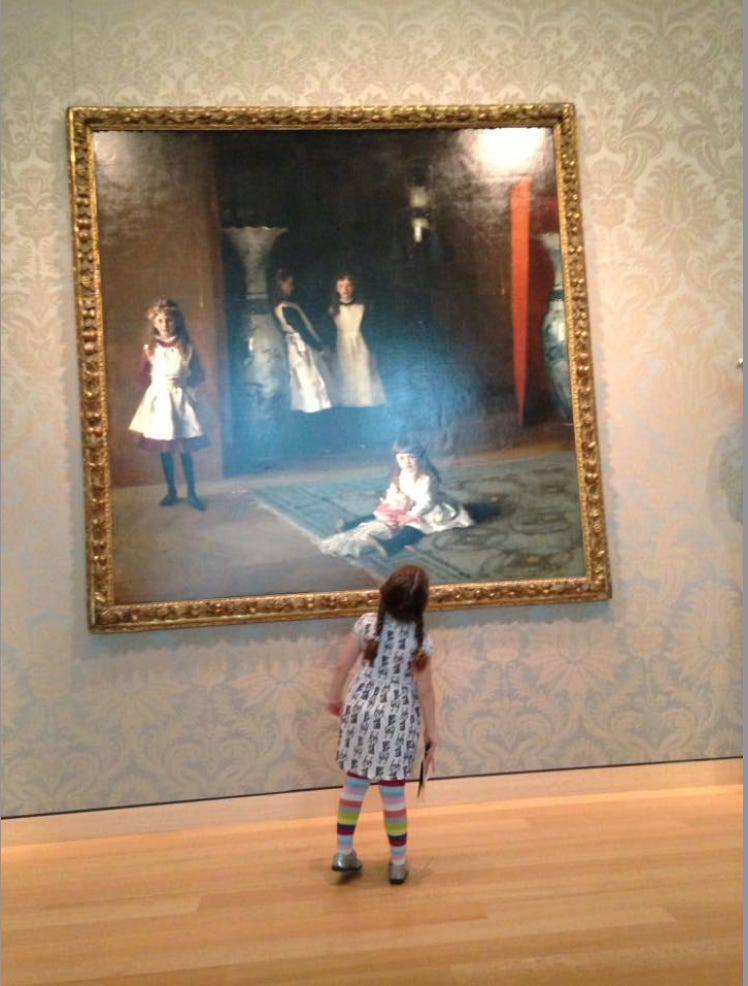
First of all, don’t start with the assumption that “kids don’t like X,” especially if that “X” is something as broadly-defined as “art museums.” Maybe you figure your kids won’t be all that excited to see a traveling exhibit of Regency glassware, but you might be pleasantly surprised by what captures their interests. When my daughter was in preschool, I was delighted to see that she was delighted to explore the period interiors section at the Met, which I think she thought of as the world’s biggest doll house; of all the possible areas of New York’s biggest art museum to choose from, who would have guessed she’d be drawn to the decorative arts? When my son was two, he was captivated for ten full minutes–ages in toddler-time–by Picasso’s Girl Before a Mirror, though Matisse’s Dance left him cold (same here, if I’m being honest.) What did he see in that Cubist masterpiece? I have no idea, but he liked it. To be sure, there are some fairly safe bets for art that kids like–in general, modern art with big, bold colors seems to appeal to babies and littluns, kids who light-saber around their living rooms are usually drawn to the knights in armor, and the Egyptian wing is a perpetual draw. If you aren’t sure where to begin your kid’s adventures in art appreciation, these are usually good places to start.
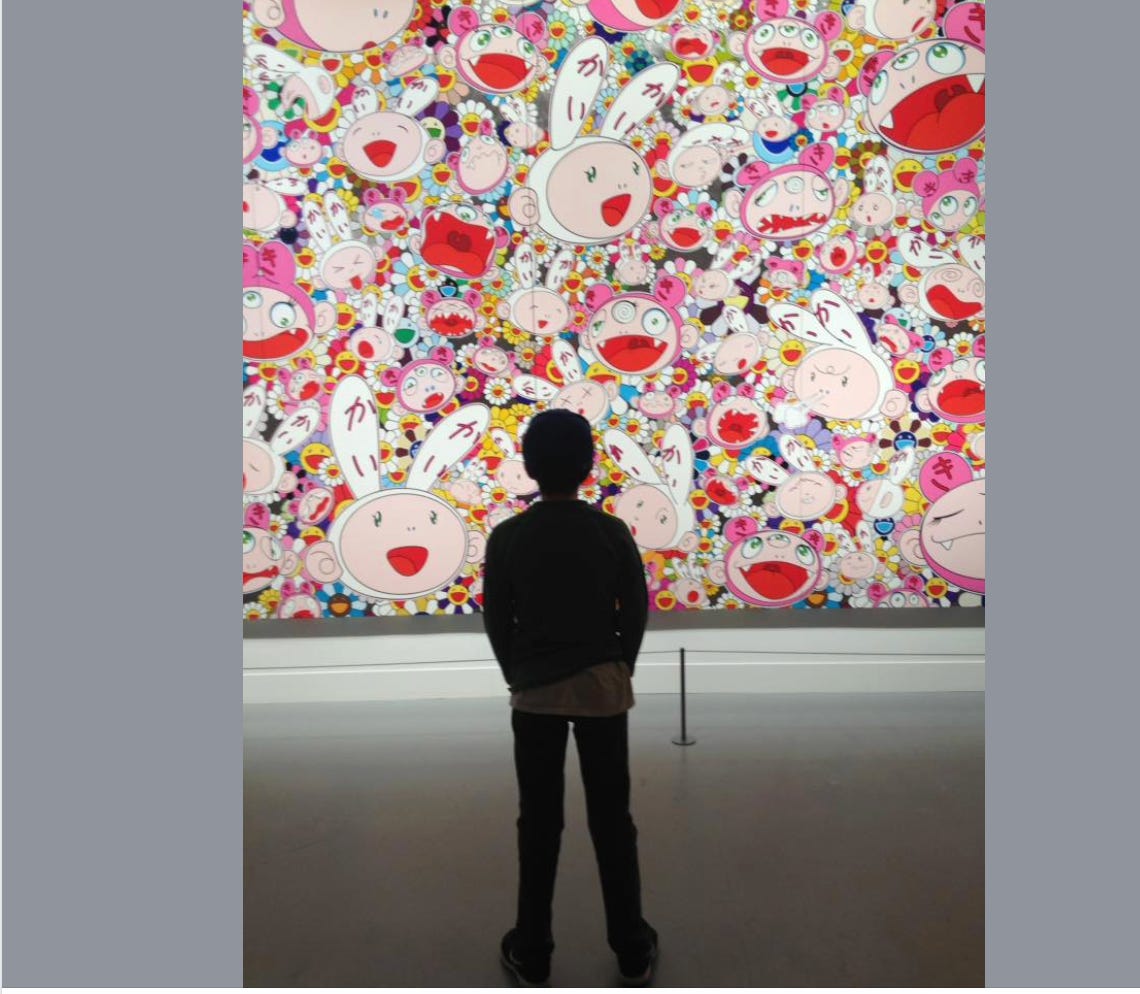
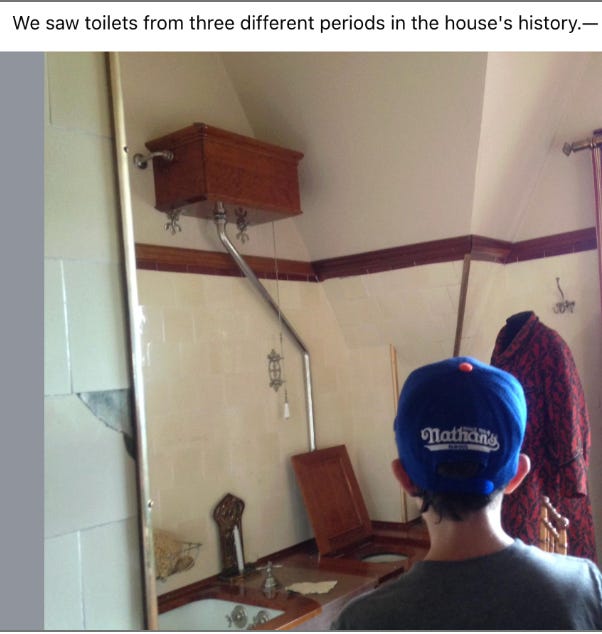
Historic homes and houses of worship can be a little harder to judge, since so much depends on how engaging the tour guide is and how much your kids need to be reminded to “look with your eyes, not with your hands.” Still, quirky sites that feature elements like trap doors, castle-like towers, or hidden rooms can still hold the attention of most kids ages 6 and up, especially if you can take a self-guided tour and linger in the areas your kid finds compelling. If you are lucky, there will be some mention of how the inhabitants of the house used the toilet:
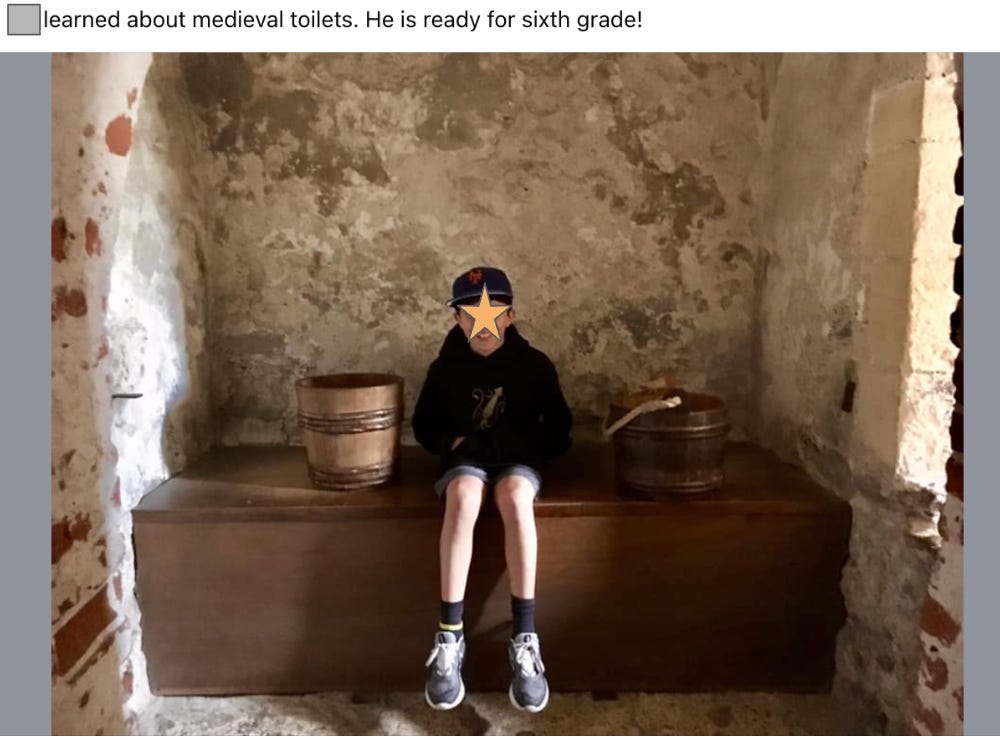
And if you’re really lucky, you’ll be able to take one for a (pretend) spin:
If you haven’t been to a museum or a historic site in a while, you might not realize how un-stodgy a lot of them are. Contemporary art curators seem to really dig an interactive installation, and you can often find art spaces filled with pieces that bring out the child in everyone, including actual children (just check that there’s nothing you consider inappropriate before you dive in; not all art is intended for all ages, nor should it be.)
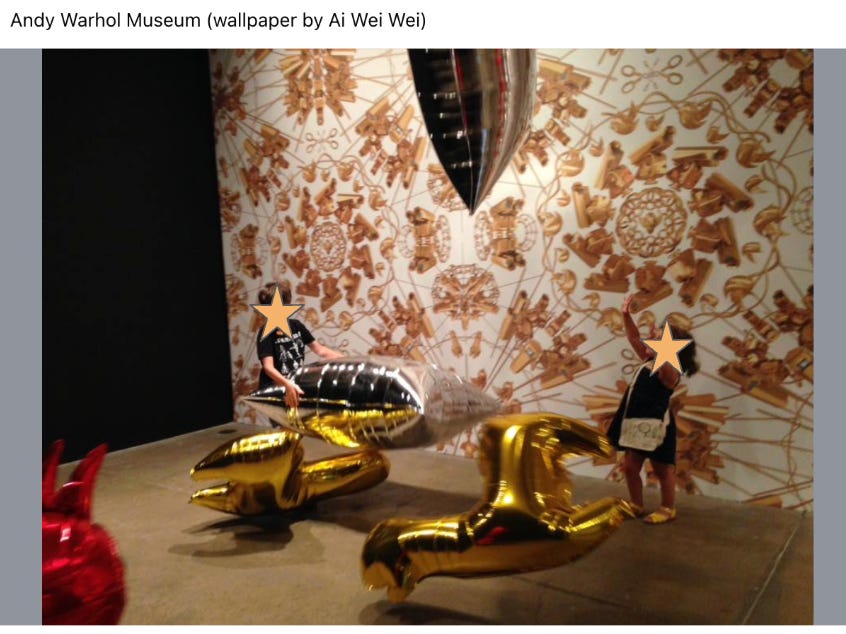
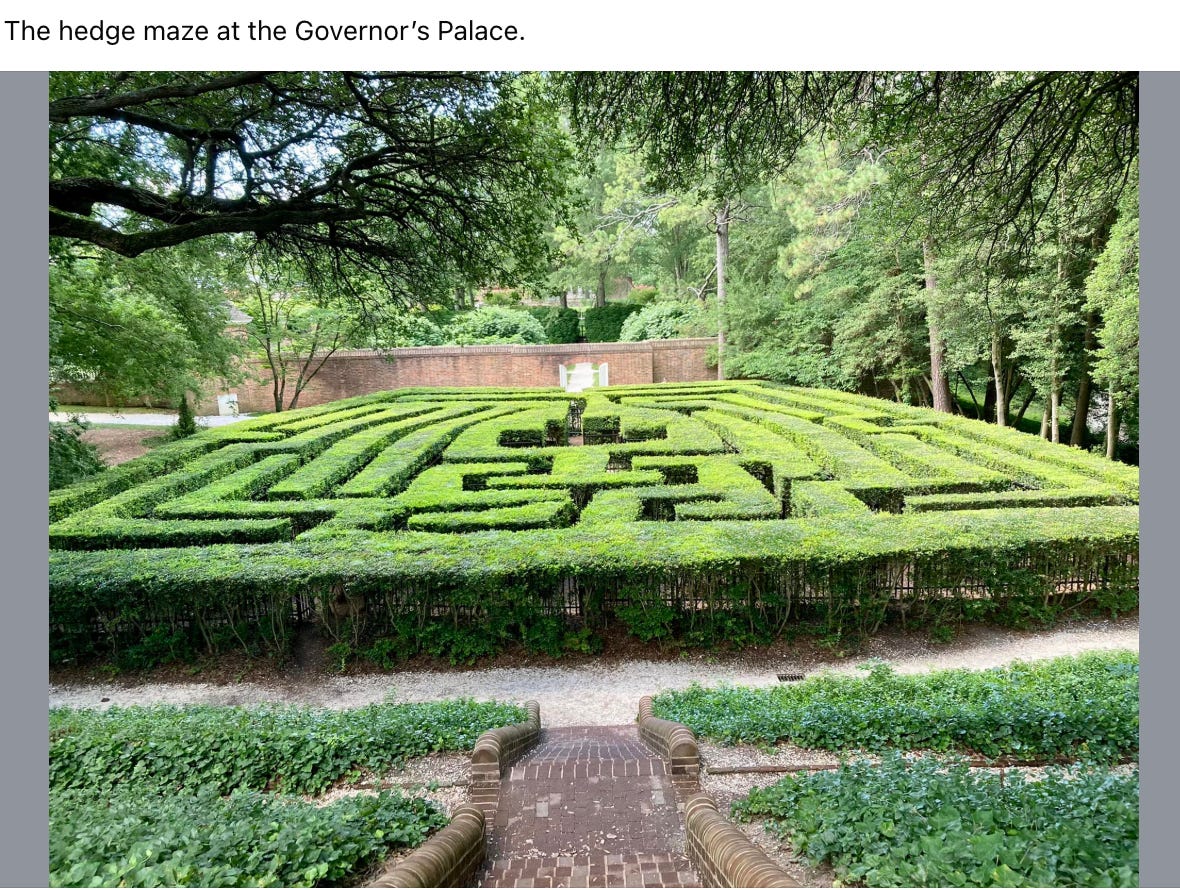
Historic sites may also have interactive elements, with costumed interpreters, digitized archives, and hands-on activities; at the very least, there’s a good chance a manor will feature a garden maze or two.
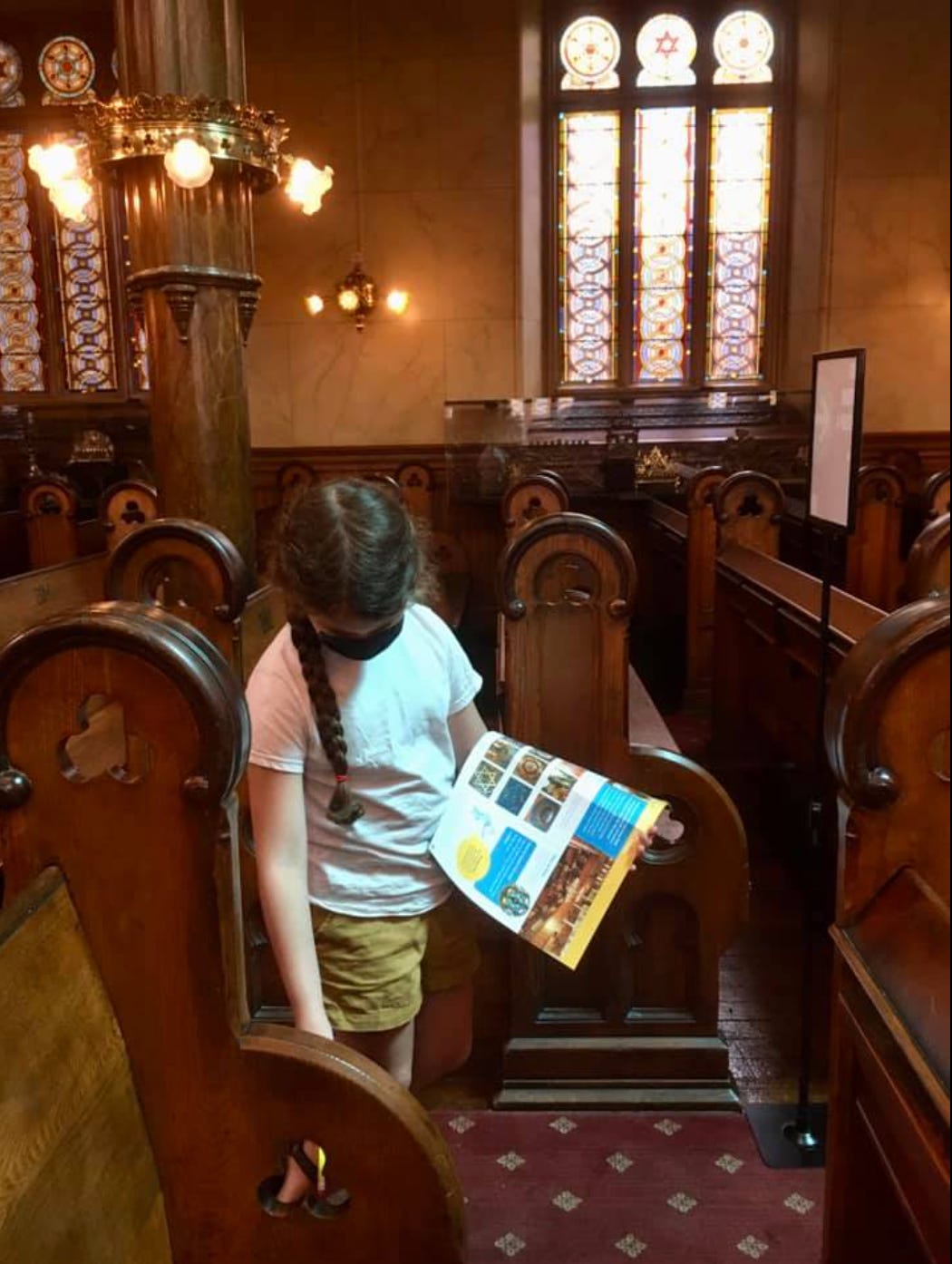
When planning a visit to a location that isn’t designed specifically for children, it can help to think like a teacher designing a field trip: Prepare your kids with information so they know what they’re going to see (“This house belonged to one of Grandpa’s favorite jazz musicians a long time ago, and we’re going to listen to some of his music on the way over.”) Give them specific things to look for when they get there (“Gargoyles are hideous figures that were supposed to scare away evil spirits; we can see them by the entrance to the cathedral.”) Offer scaffolding to supplement the information on display (“The big sign at the front is telling us that the artist lived in a religious community for most of her life and tried not to interact with too many people; how do you think that might have helped her focus on her painting?”) Pack a sketch pad and some colored pencils so that your kids can draw what they see. Finally, be sure everyone is adequately snacked and bathroomed before you head in. Some institutions provide kids’ guides with highlights, fun facts, and activity pages; a few museums even offer art kits to borrow or have drop-in studios for kids to act on their inspiration.
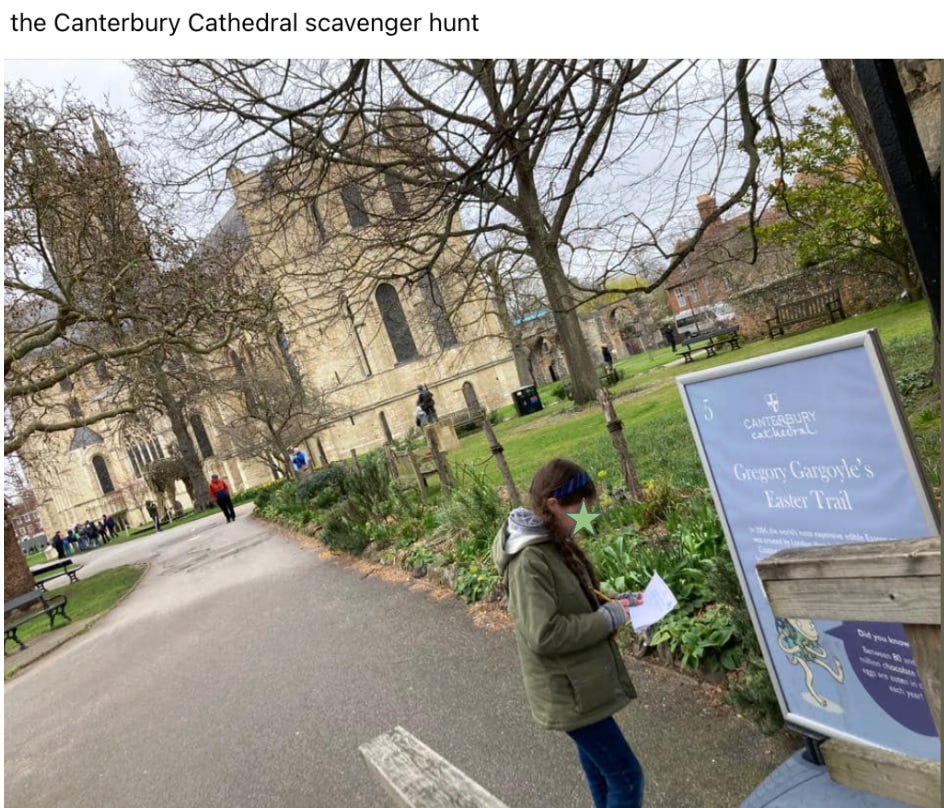
Consider giving your kids a task to accomplish over the course of your visit, sort of like a teacher’s “trip sheet.” One clever grandmother I knew used to start at the gift shop, where she would let each child pick out a postcard of some artwork featured in the museum they were visiting; the trip then revolved around hunting for that piece, which involved locating the appropriate gallery on the museum map, figuring out which particular bird-headed ewer or jade tiger was the one pictured on the card, and then looking around at the rest of the exhibit. Brilliant! With ten minutes’ lead time, you can whip up a quick bingo card or scavenger hunt (“Find a painting that features someone eating fruit” “Count the windows in each bedroom”); this was a strategy that worked when we had to drag our four-year-old to real estate open houses and we gave him the important task of checking to make sure each place we were considering had a staircase, a mirror, and a good place to play with blocks.
Of course, there are times when you might really want to see a cultural site that really isn’t geared towards your kids’ interests. If this might be your only time driving through Bristol, TN, and you have always wanted to visit the Birthplace of Country Music Museum, well, maybe your kids need to find a way to survive your one-hour visit in the interest of Shlom Oyto. And this is when I remind you that it is okay for kids to experience boredom sometimes. In fact, it’s even good for them! Keeping yourself entertained while others (adults) do something they find interesting is an important life skill, and it’s one that takes practice. Learning how to take in information quietly or even just letting your mind wander, filing away questions until it’s a good moment to ask them, sitting still, not eating a snack when it’s not the right time or place for a snack–a lot of these baseline expectations for behavior kind of melted away during the pandemic lockdowns and, you know, all this (waves hand around to indicate the boorishness and vitriol that have overtaken public discourse in the last decade or so.) Still, it isn’t too late to fight that trend and equip our children with the understanding of how to behold a statue of naked people without shrieking or remove a hat respectfully when entering a church or walk past a two-hundred-year-old canopy bed without trying to climb on it.
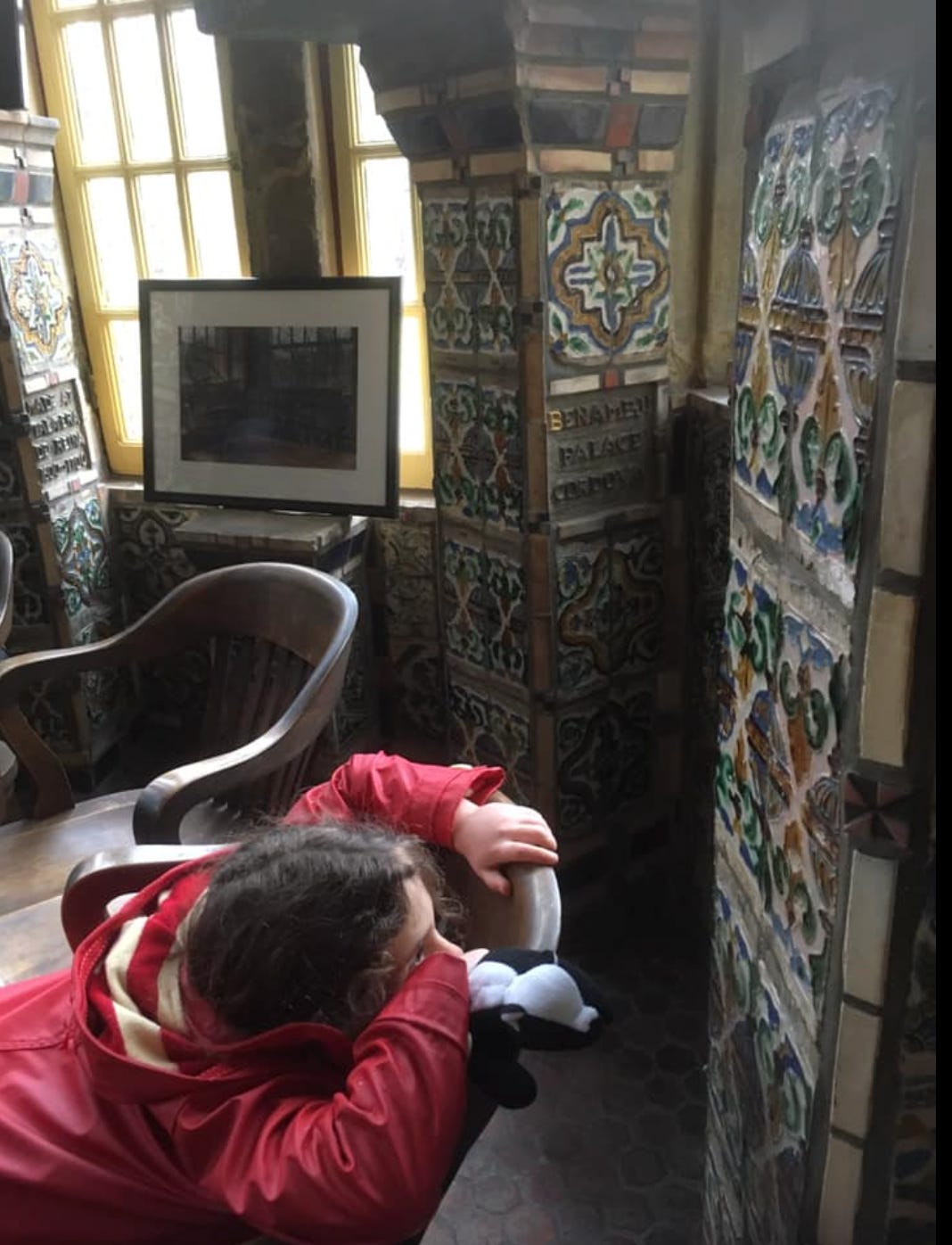
So if it should come to pass that, in the middle of a two-week road trip punctuated with water parks and zip lines and ice cream every day, your kids spend one or two afternoons with their eyes glazing over while you take in Jimmie Rogers’ guitar or admire the fabrication of a Doylestown, PA poured-concrete castle, well, maybe that’s a good thing. And who knows? It might just turn out that they like visiting an “indoor voice” place more than you expected!
Safe travels and happy Snack Bag wishes to you!